Outdoor & Everyday Living
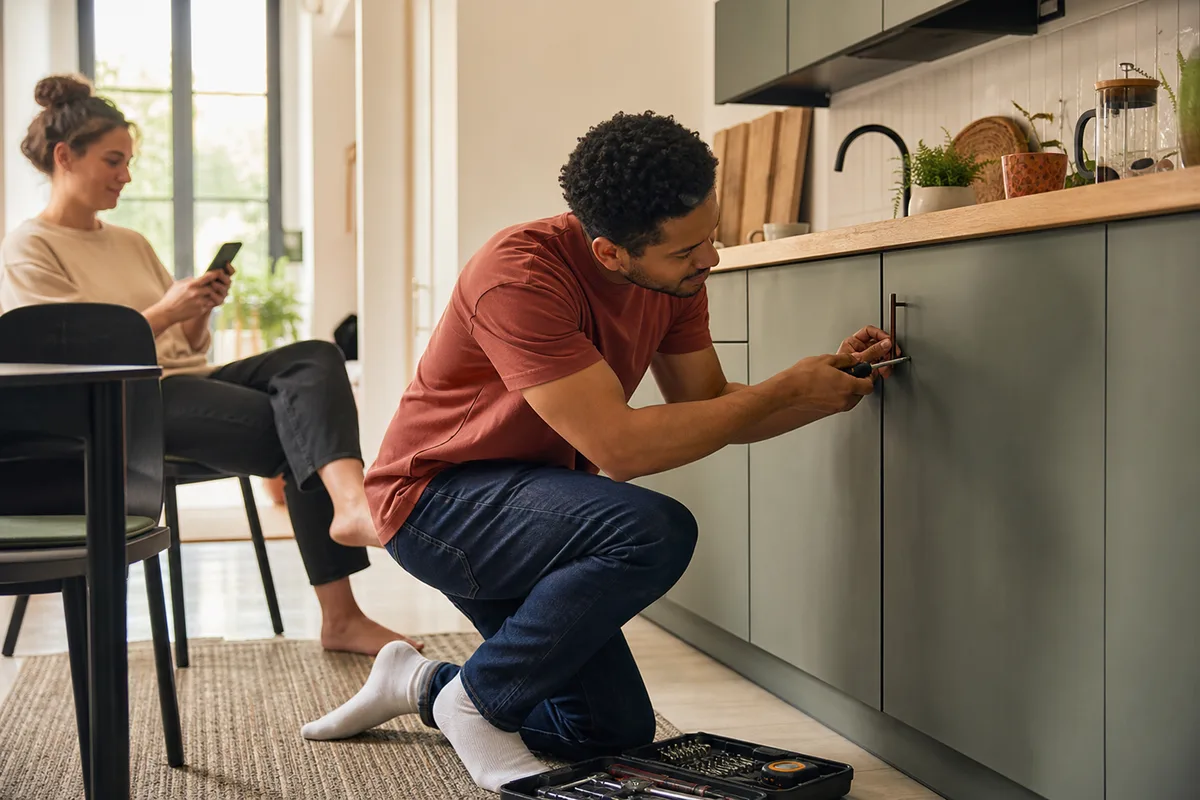
A Household Tool Kit for People Who Do Not DIY
Own the small set that handles furniture, picture hooks, loose hardware, and simple measurements.
Buy less. Choose better.
Live easier.
Sixty practical starting points for a home that works with your routines.
Own the small set that handles furniture, picture hooks, loose hardware, and simple measurements.

Check terrain, folded bulk, steering, and cleanup before being impressed by capacity.

Plan for room light, navigation, and charging without relying on one overly complicated device.

Deliver water precisely without storing a garden-center collection in a tiny outdoor space.

Right-size the cooler for lunch, drinks, transport, and the ice you are willing to carry.

A practical umbrella balances canopy control, folded size, and a handle you can trust one-handed.
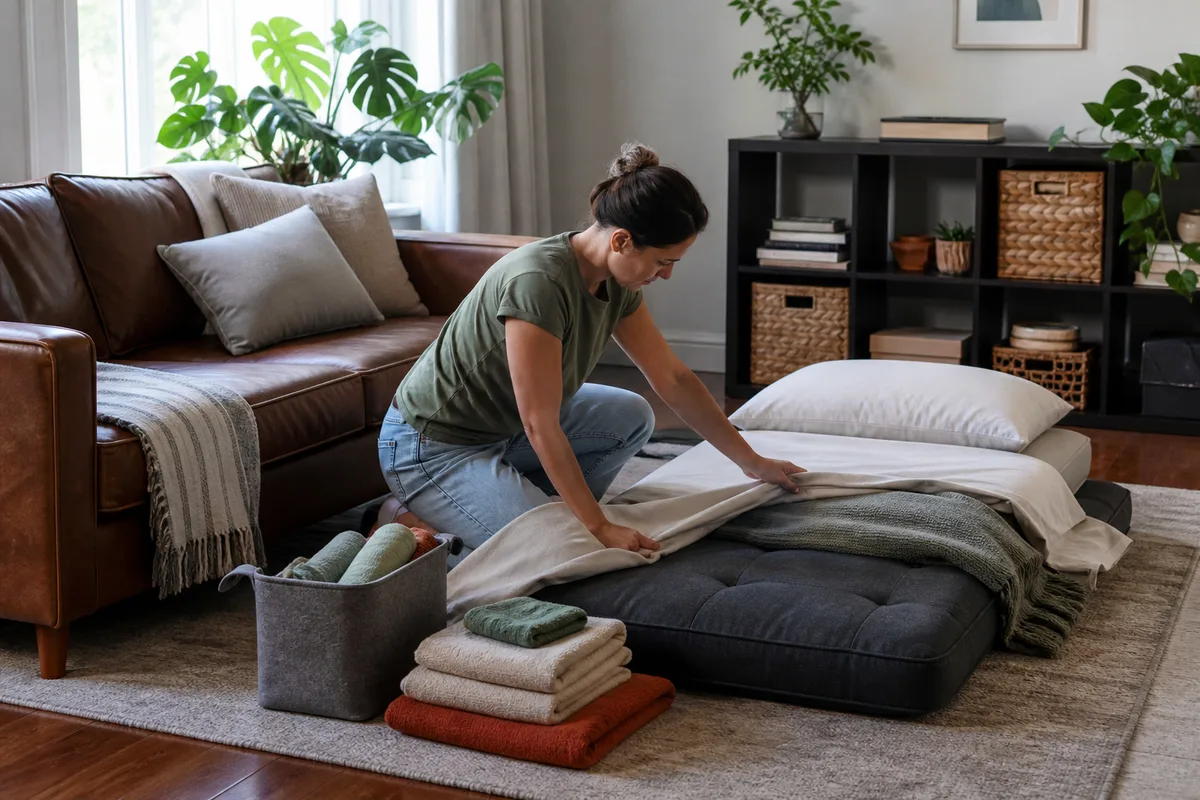
Create a compact sleep kit that is easy to offer, store, wash, and restore.

Build a landing zone that catches grit and gives paws a moment to dry.
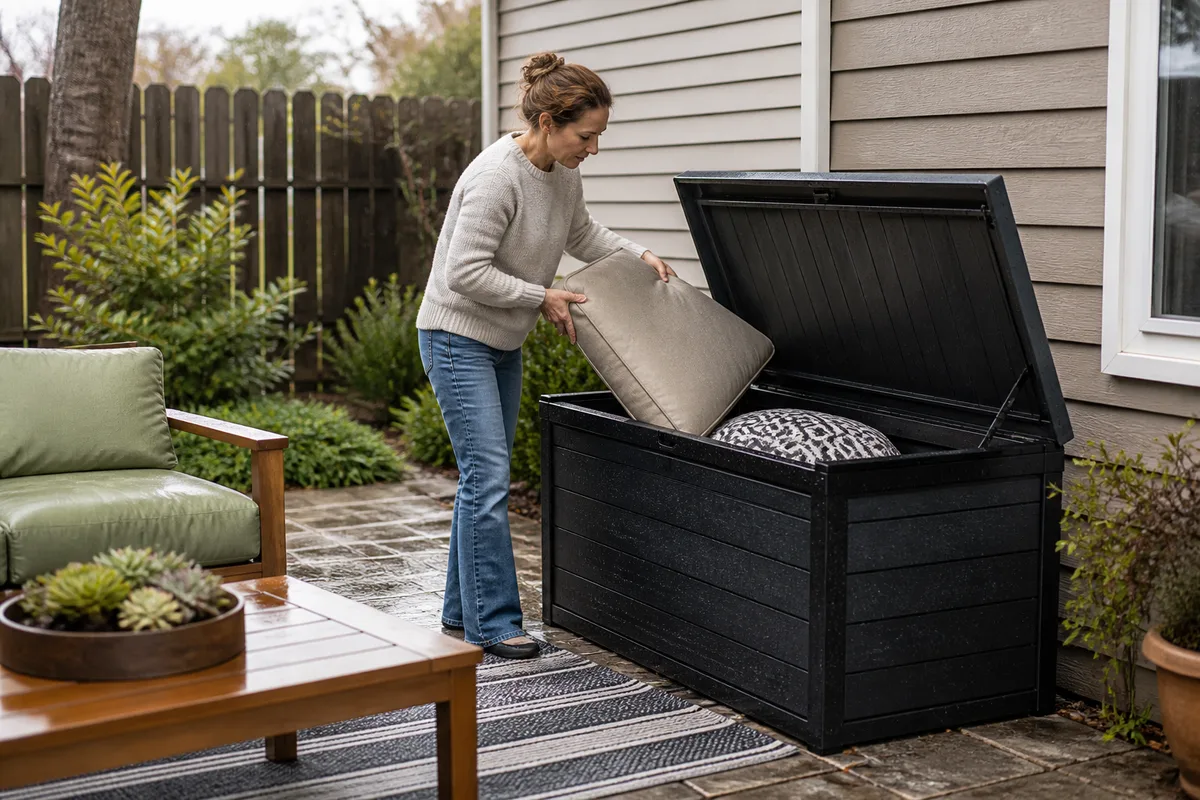
Weather resistance depends as much on placement and drainage as the box itself.

Comfort and foldability matter when every inch must handle weather, plants, and passage.

Solve friction at the point it occurs instead of decorating around it.
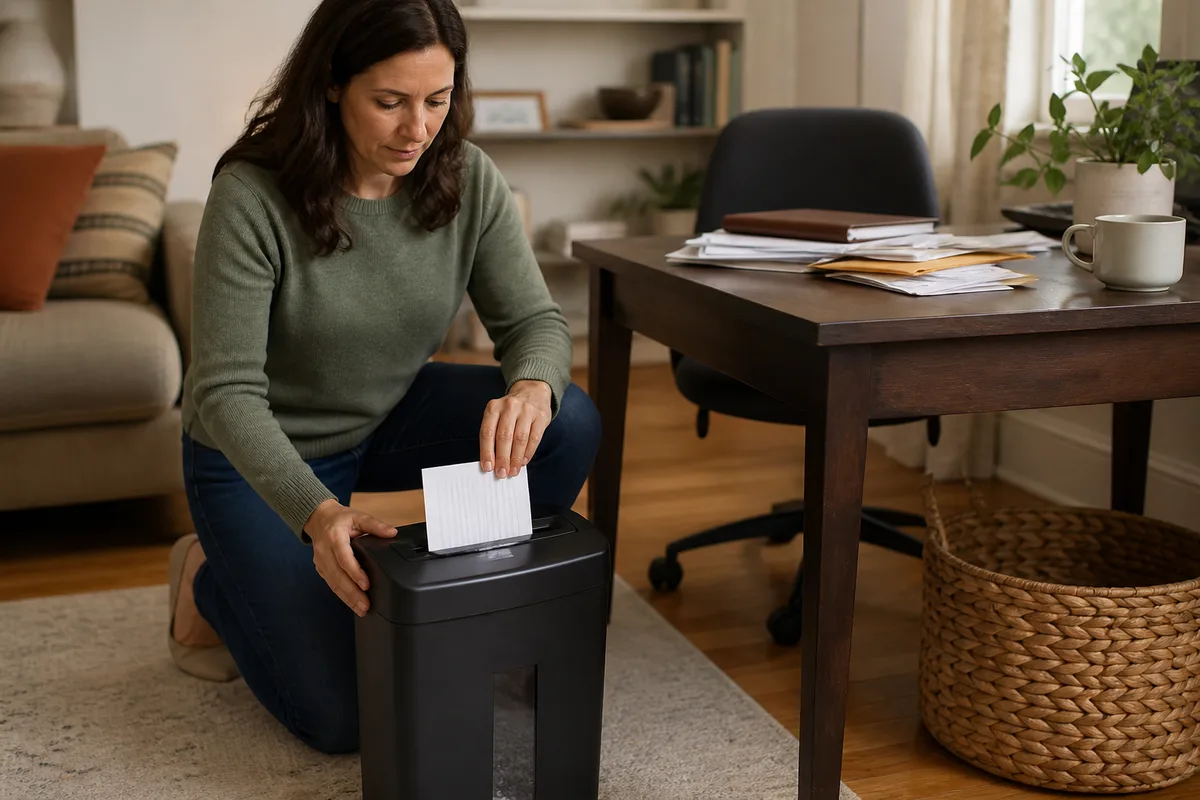
Match security, sheet capacity, and cooling time to the size of your monthly pile.

Reliable exposure and placement beat extreme resolution in most calls.
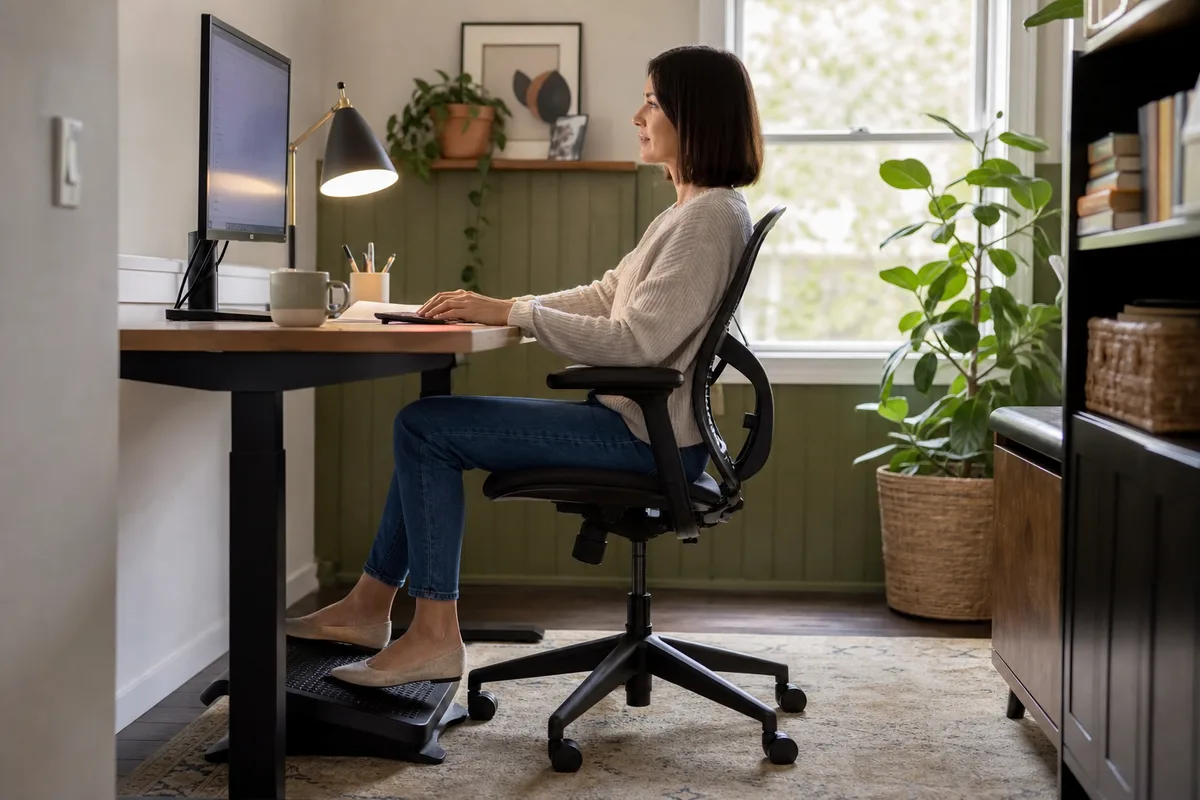
Support the feet when the chair must be raised to meet a fixed-height desk.

Comfort, microphone consistency, and easy controls matter more than maximum isolation.

Noise, layout, and switching matter when two people work within earshot.

Light the page and your face without filling the desk with equipment.

Recover surface area, but verify the desk can safely carry the clamp and movement.
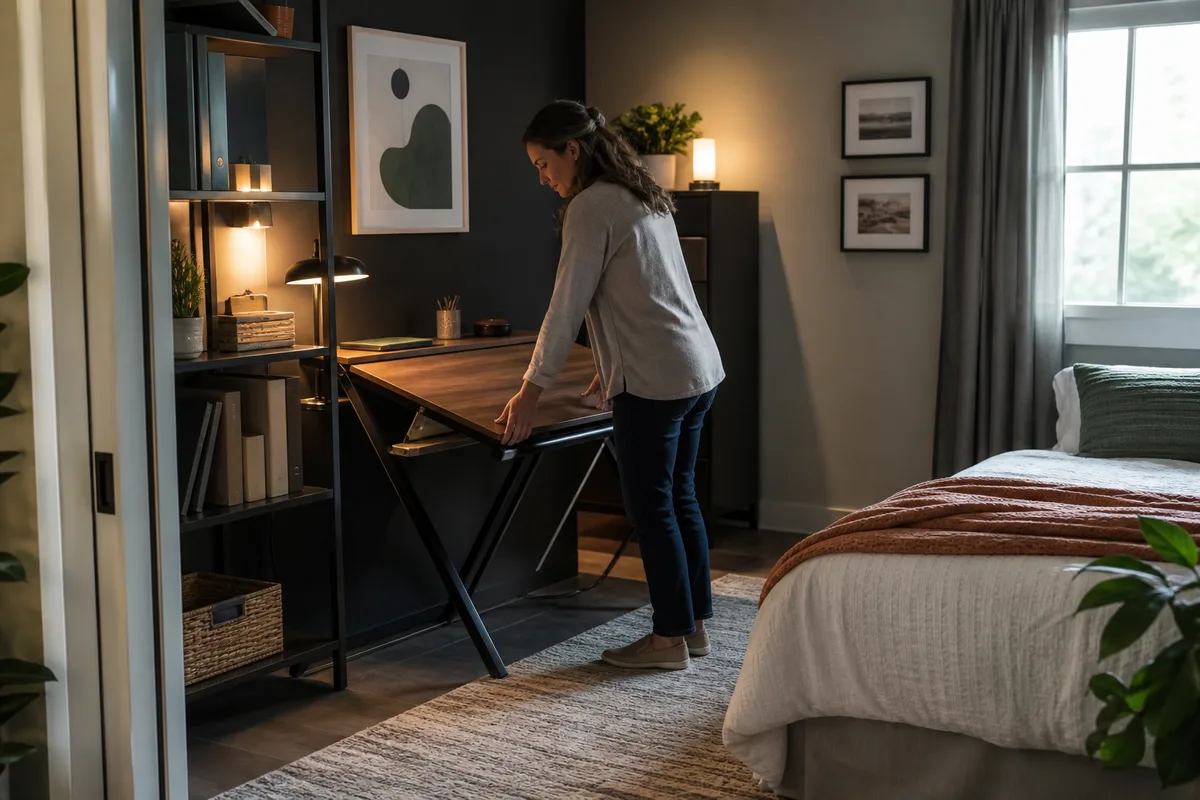
A good desk establishes a work zone without permanently taking over the room.

Fit the chair to your body, desk, and floor plan before comparing upholstery.
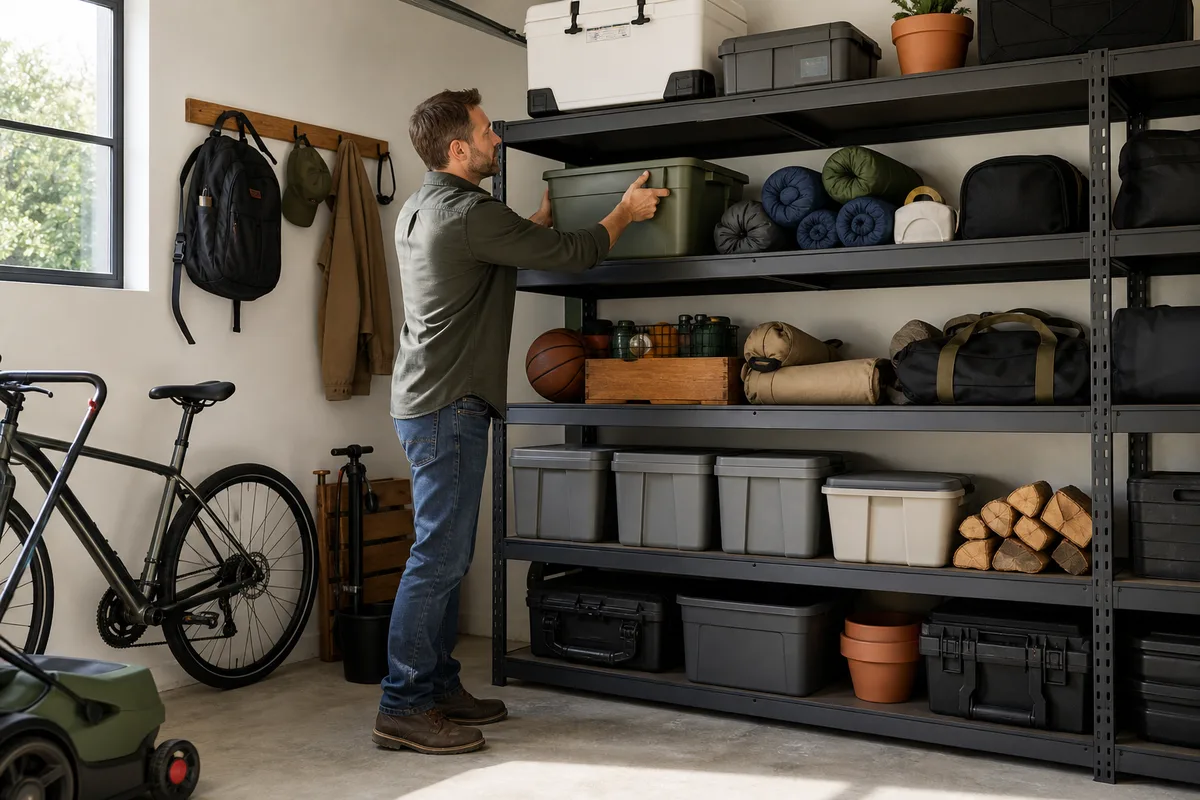
A few durable standard sizes can support moves, storage, and lending without becoming clutter themselves.

Create zones for household stock, tools, and active work without losing the floor.

Judge them as seating, a footrest, and a container—not just a hollow cube.
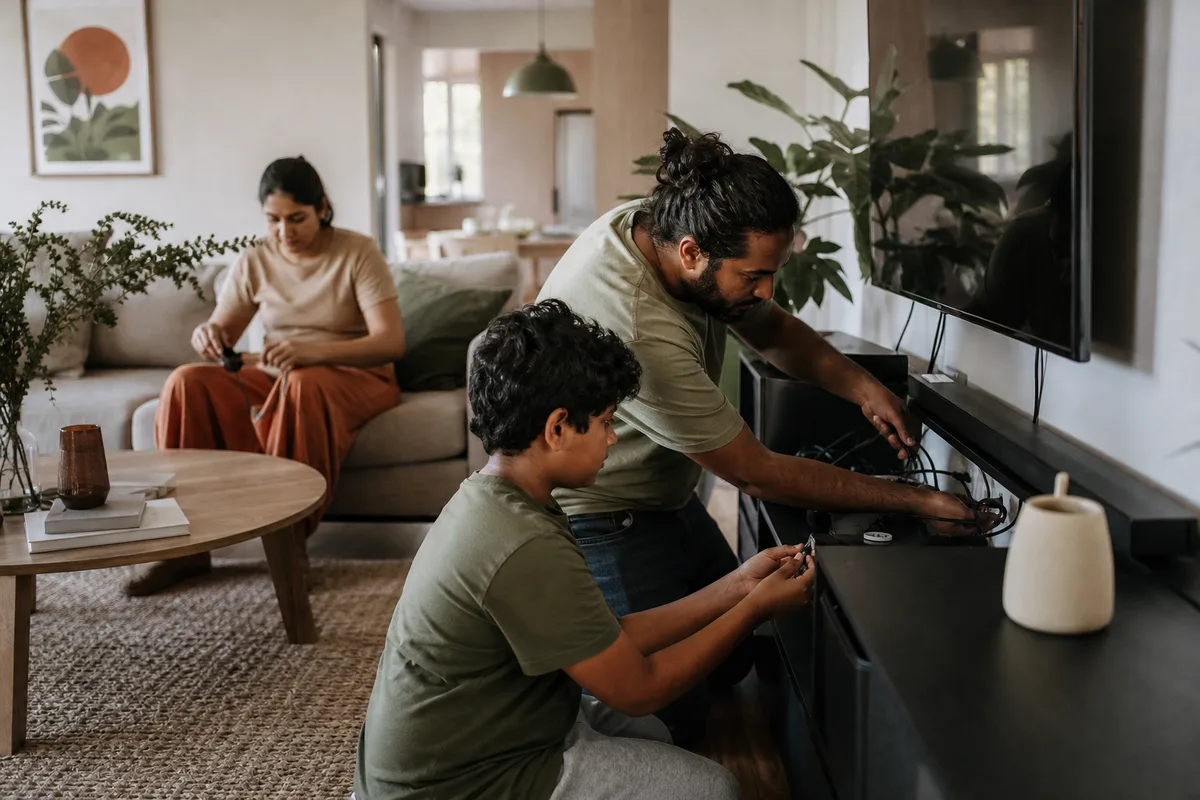
Hide less, route better, and keep every plug serviceable.
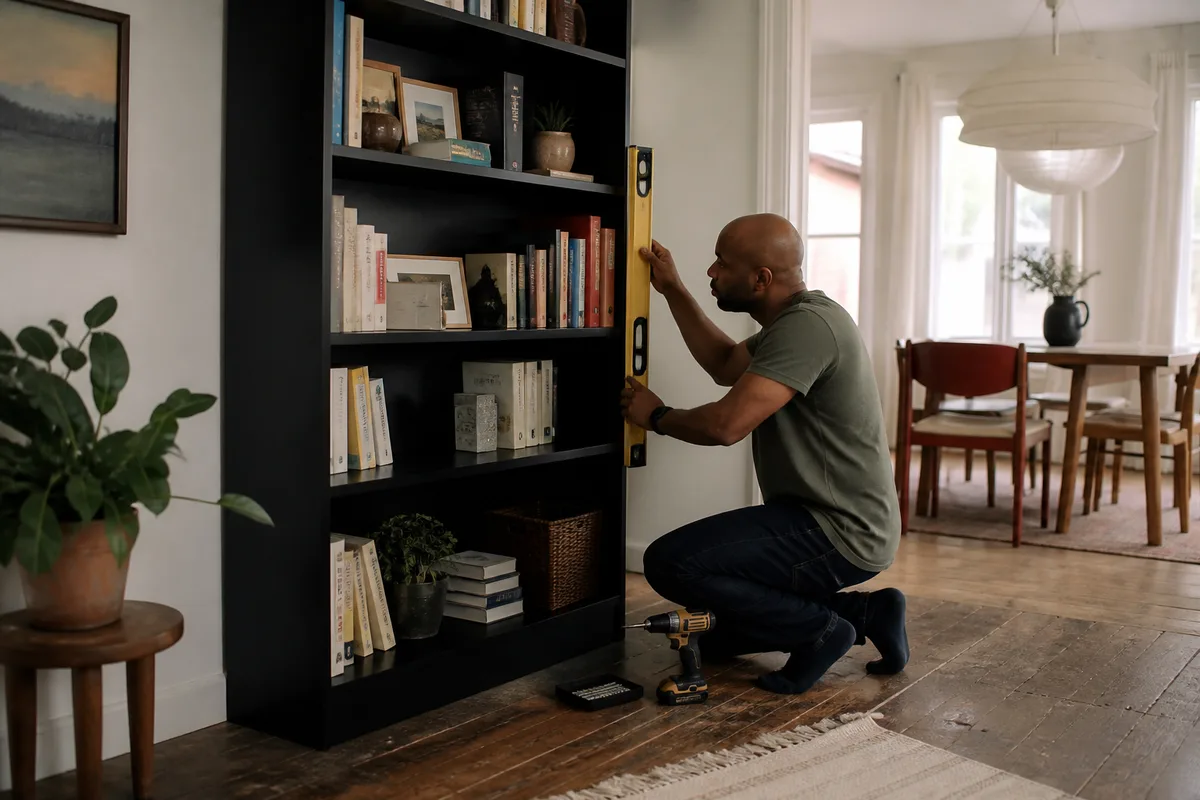
Stability depends on adjustability, wall restraint, and a sensible loading plan.
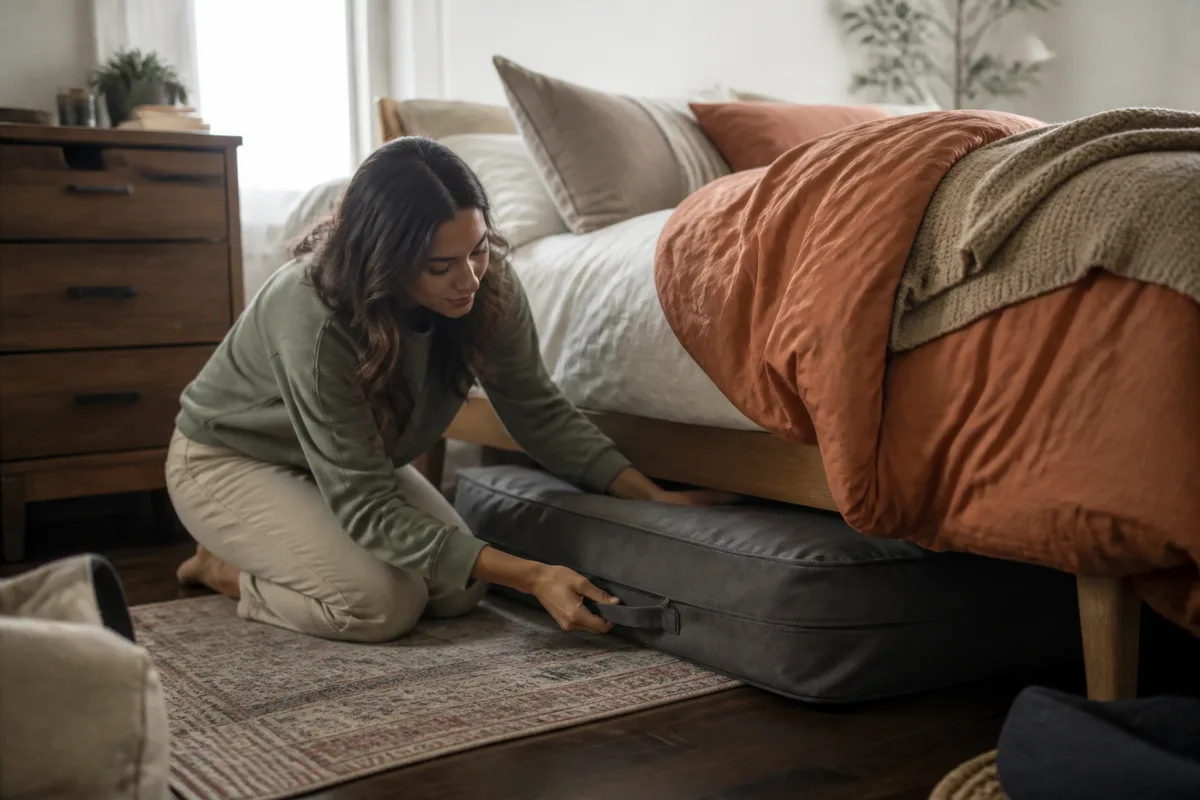
Use the hidden zone for low-frequency items without creating a dust archive.
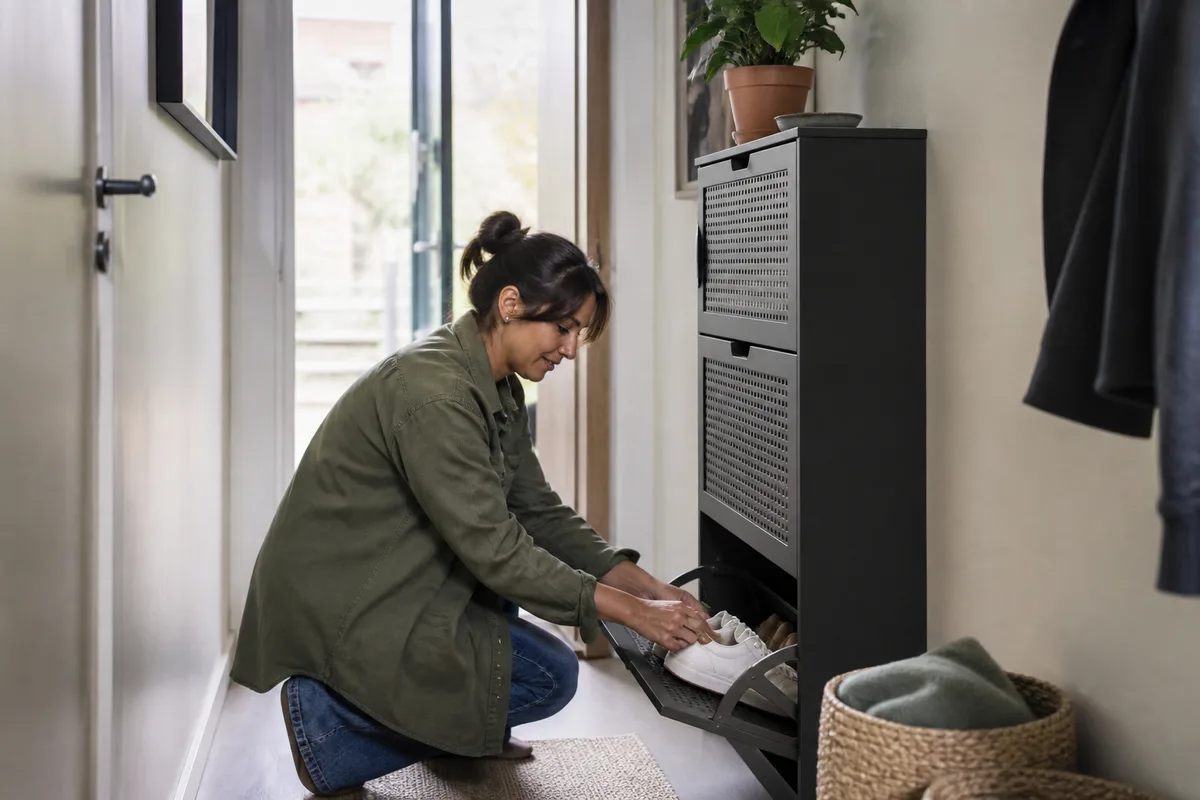
Keep the walking path open while making everyday pairs easy to put away.

Contain real problem categories while keeping packages visible and easy to rotate.

Make cleanup understandable to a child and visually tolerable to everyone else.
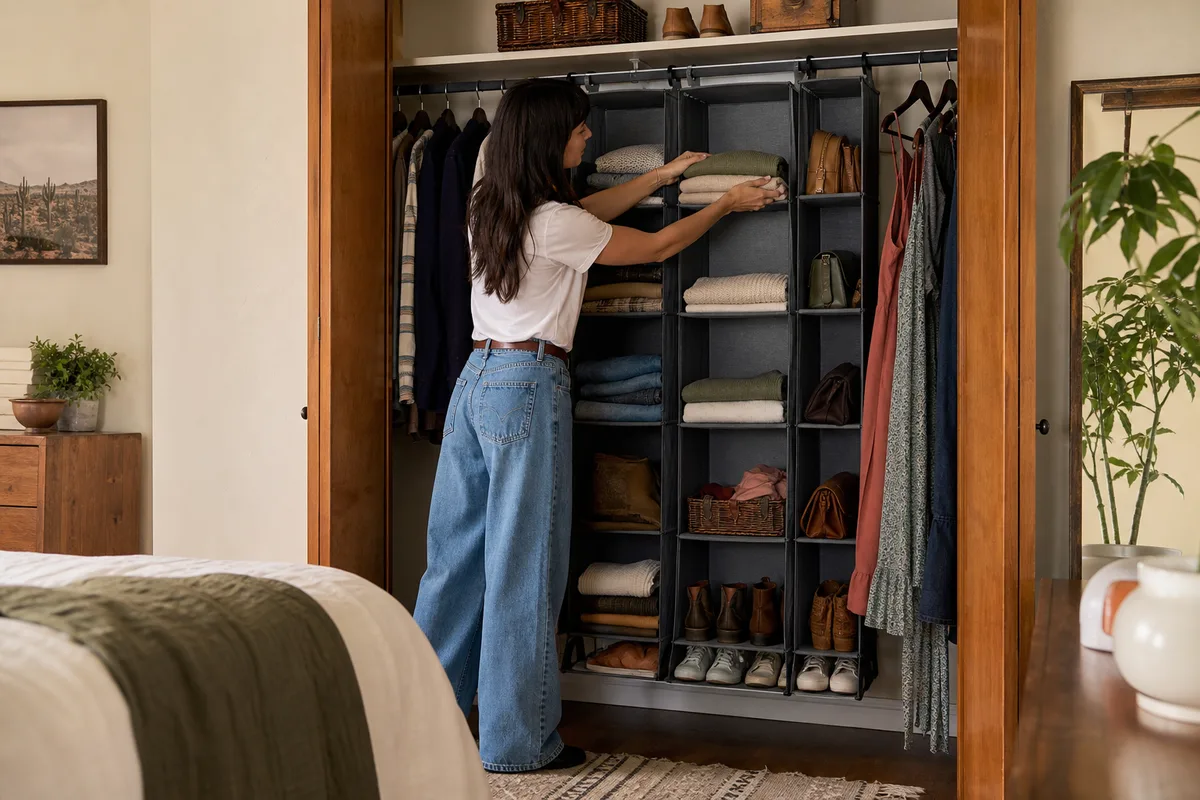
Build a removable system around the hanging rod and floor you already have.

Separate waking up from the stream of notifications on your nightstand.
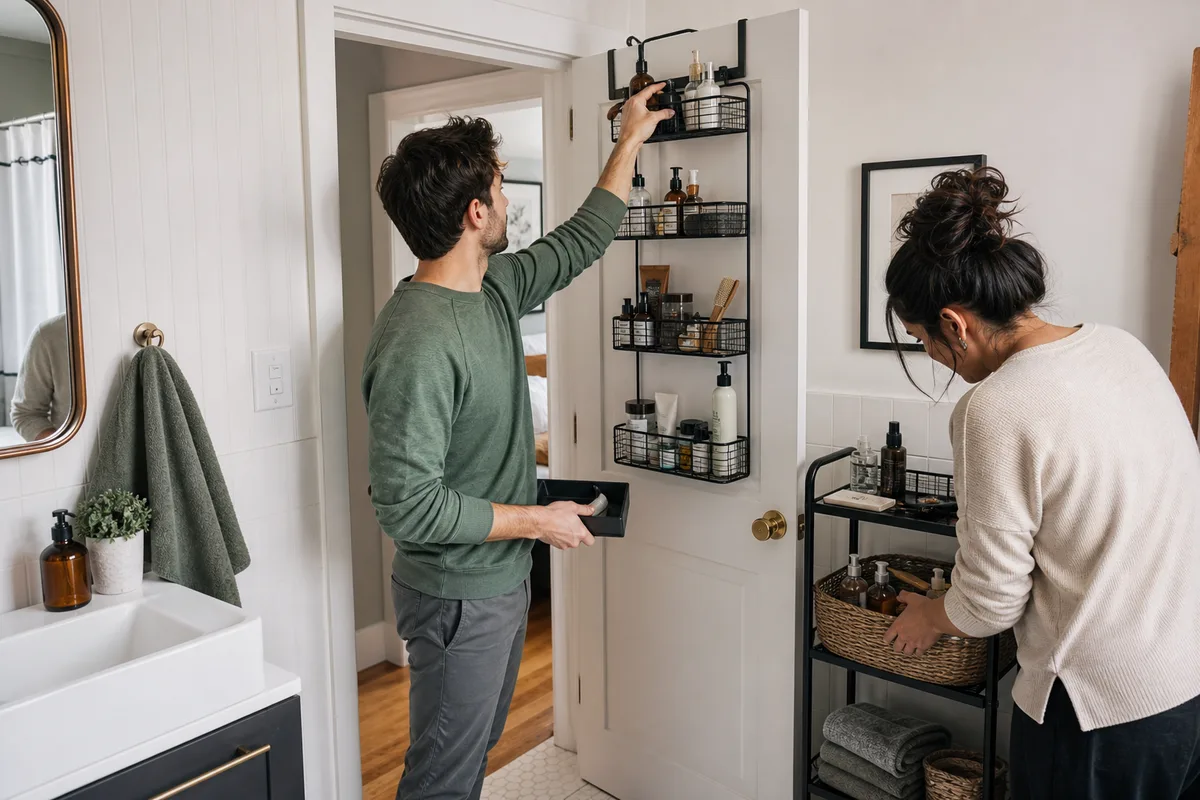
Add useful capacity with tension, over-door, and freestanding pieces that leave minimal evidence.
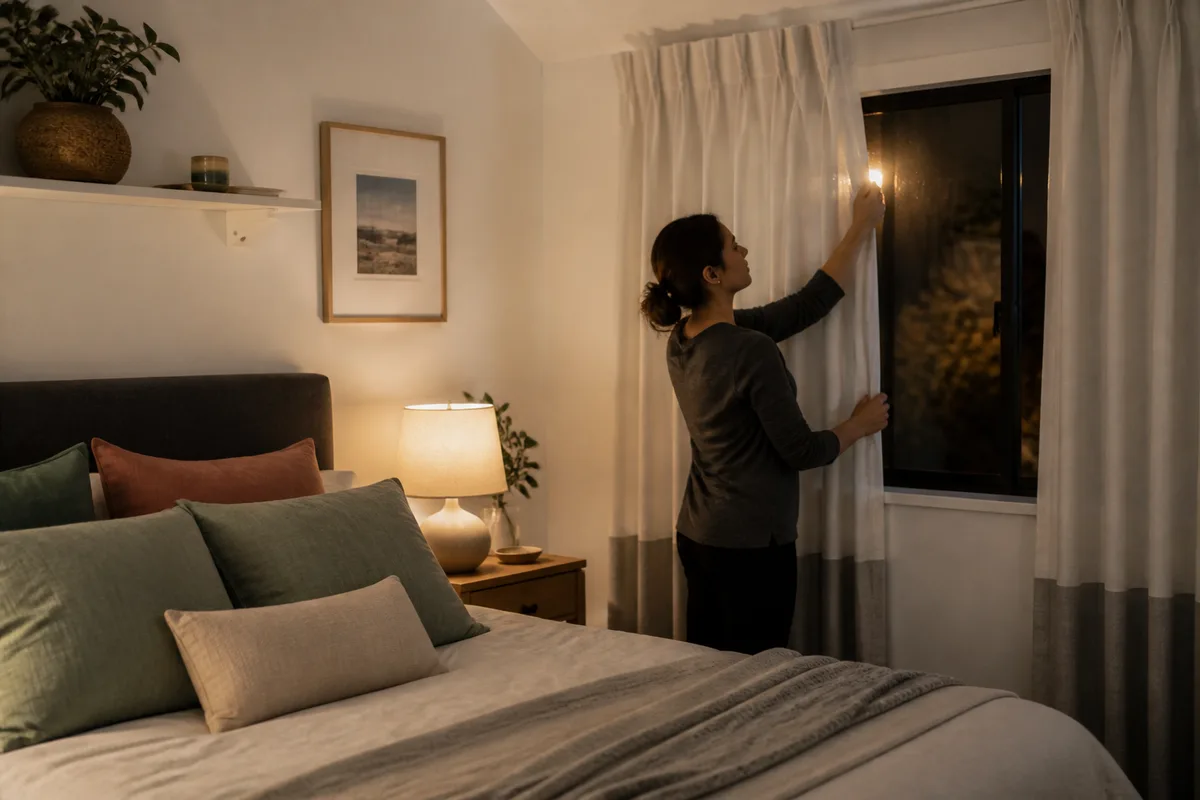
Control light at the edges and choose a face fabric that belongs in the room.
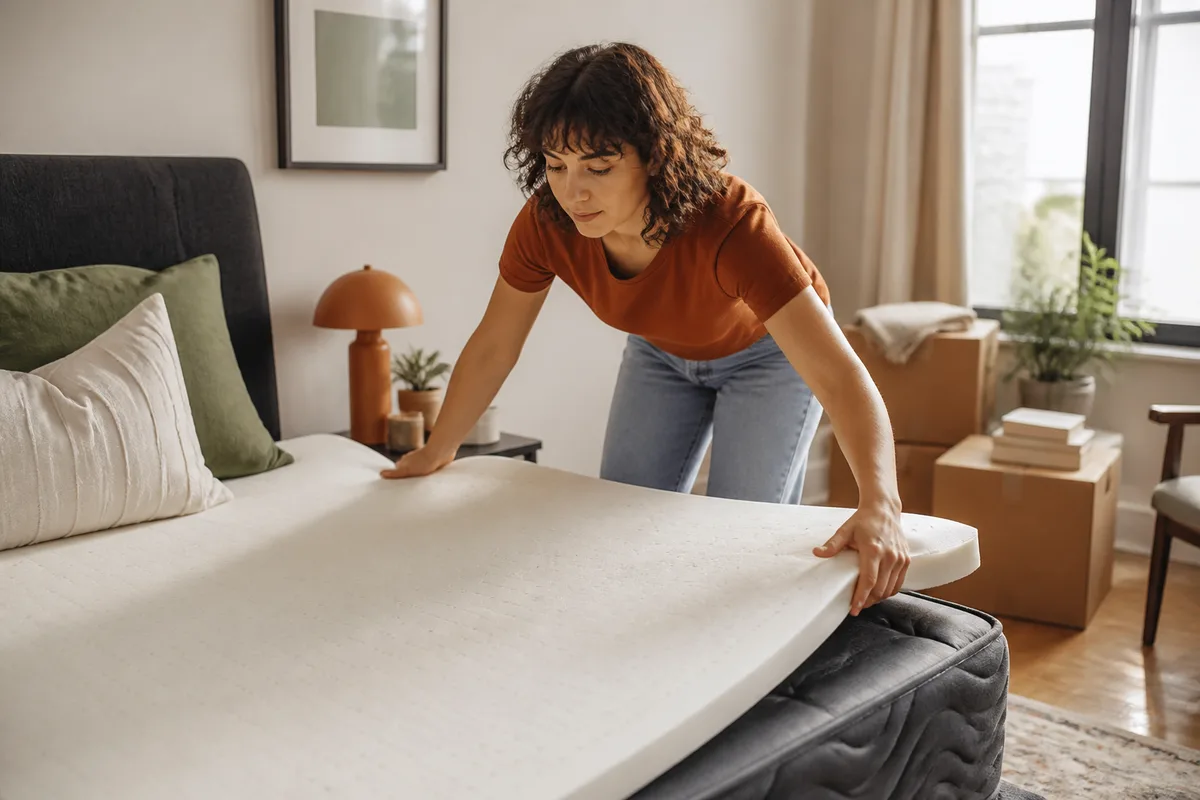
Improve pressure relief without pretending a topper can repair a failed mattress.
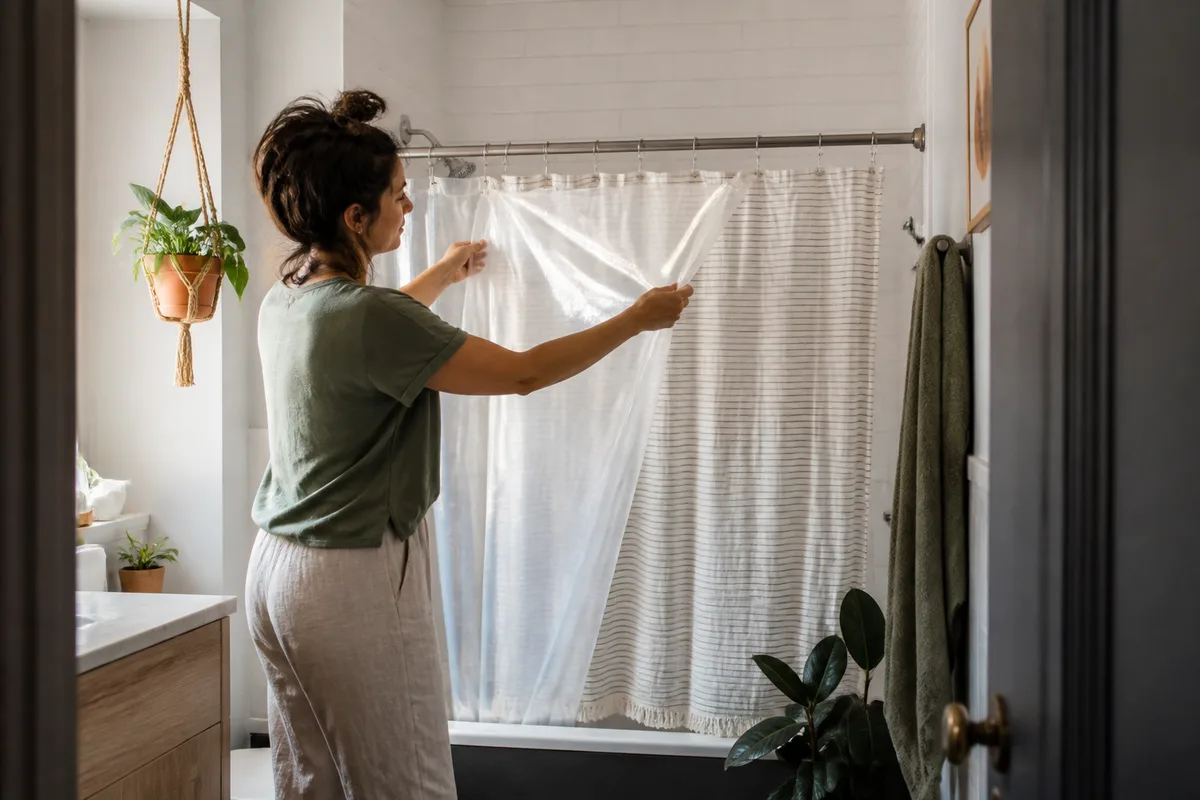
Fabric choice matters, but airflow and a washable liner do most of the work.
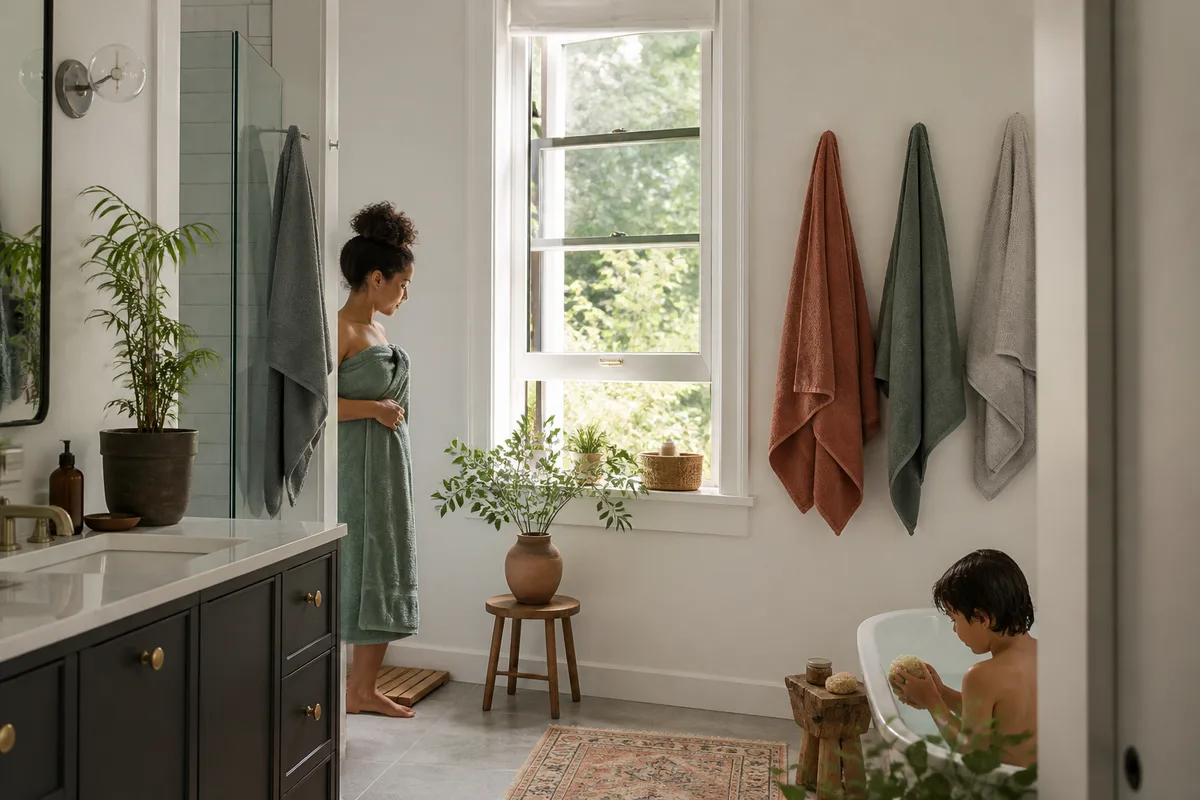
Choose absorbency, drying speed, and color logic as a system.
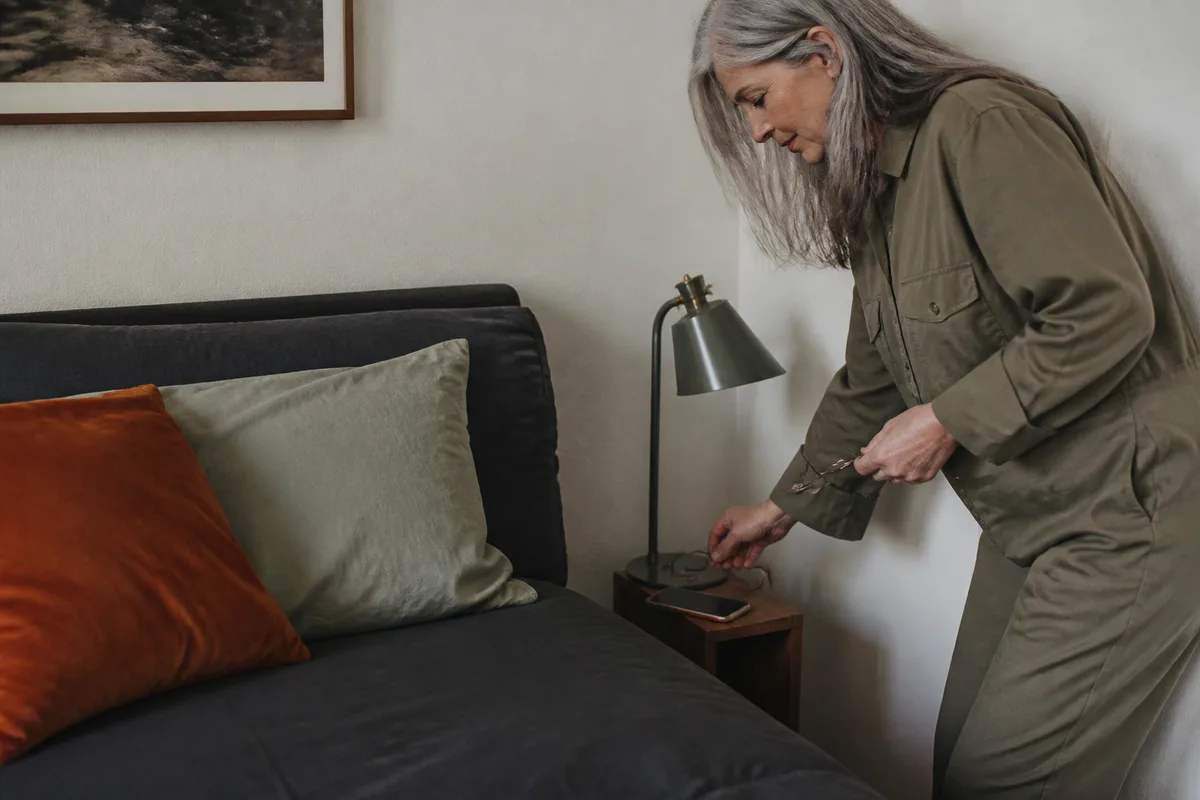
A narrow surface can still handle light, water, charging, and one good book.

Layering two lighter pieces can be more useful than one all-purpose insert.

Fiber, weave, and weight matter more than marketing language about coolness.

Look for responsive support that survives a night of changing positions.

Use a two-stage system to catch grit outside and moisture inside.

Start with room volume, noise tolerance, and filter costs—not the biggest claim on the box.
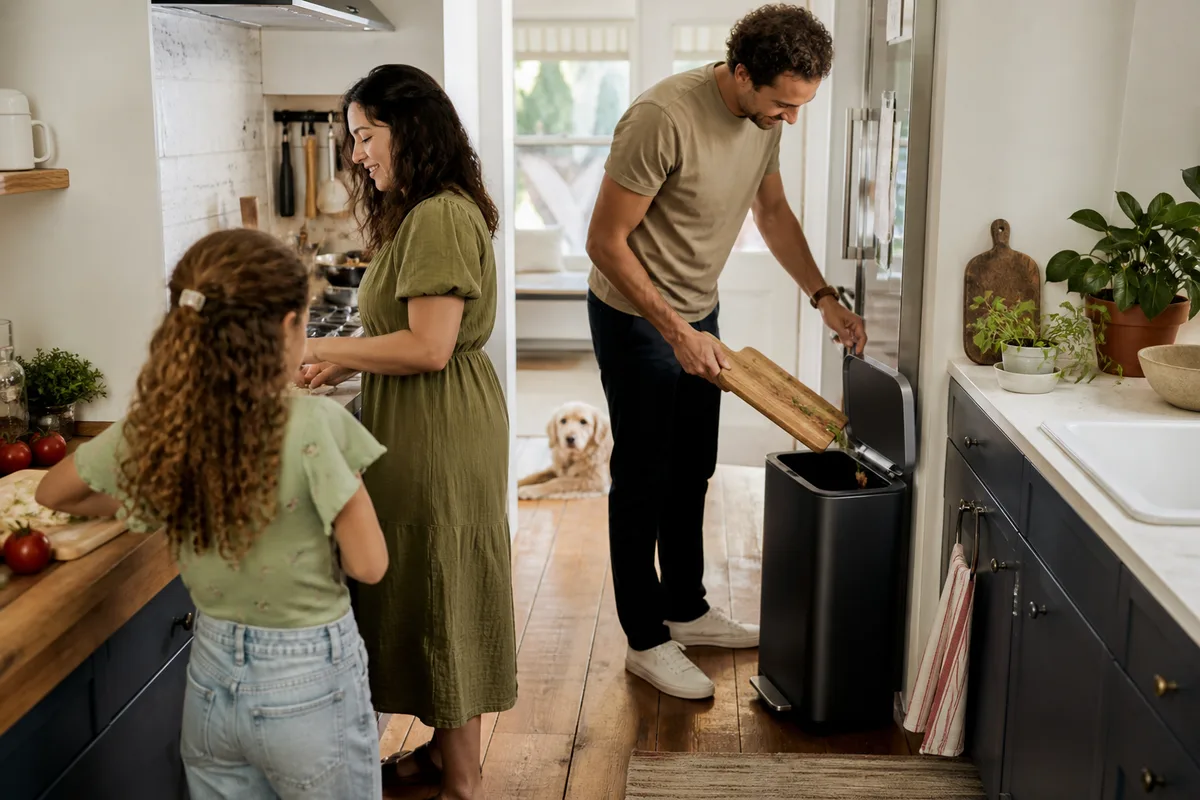
Capacity matters less than bag fit, lid behavior, cleaning access, and where the bin sits.
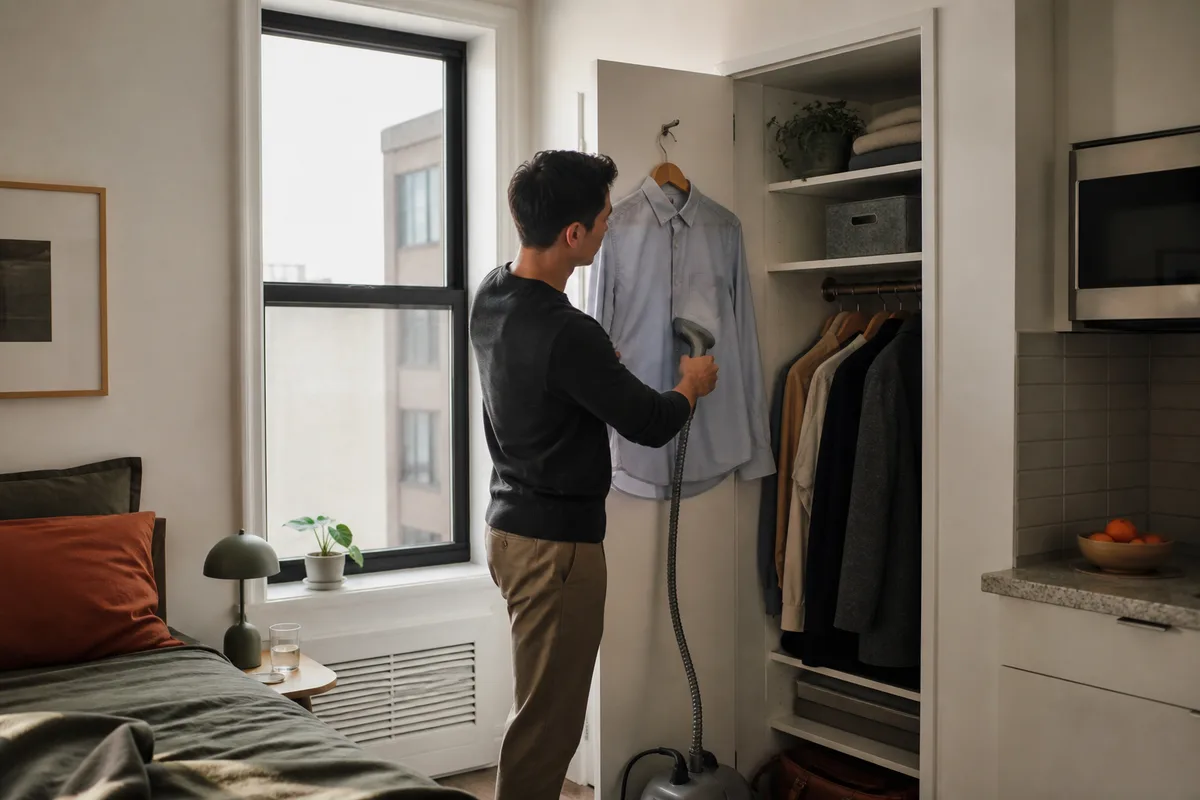
Choose between a steamer, compact iron, and wrinkle-release routine by the clothes you own.

It can—if the floor plan, thresholds, and daily reset support it.
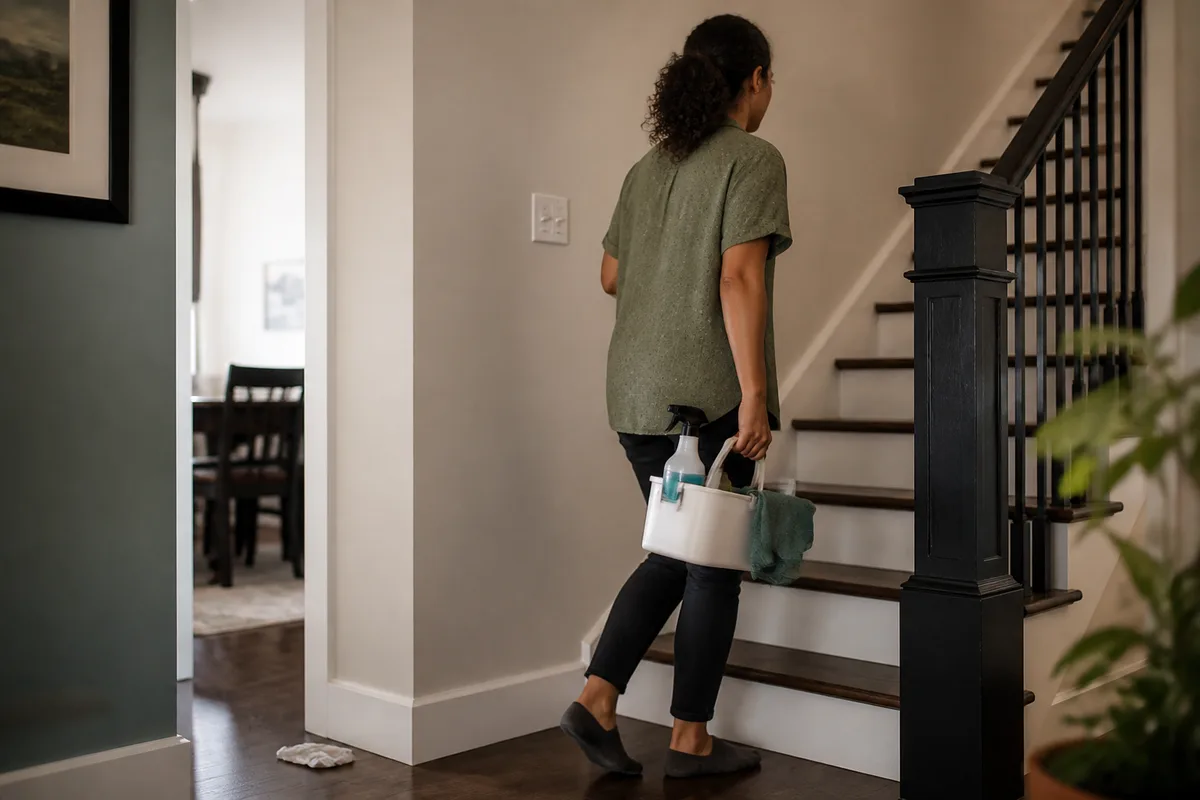
The best organizer is light enough to carry and selective enough to prevent product sprawl.
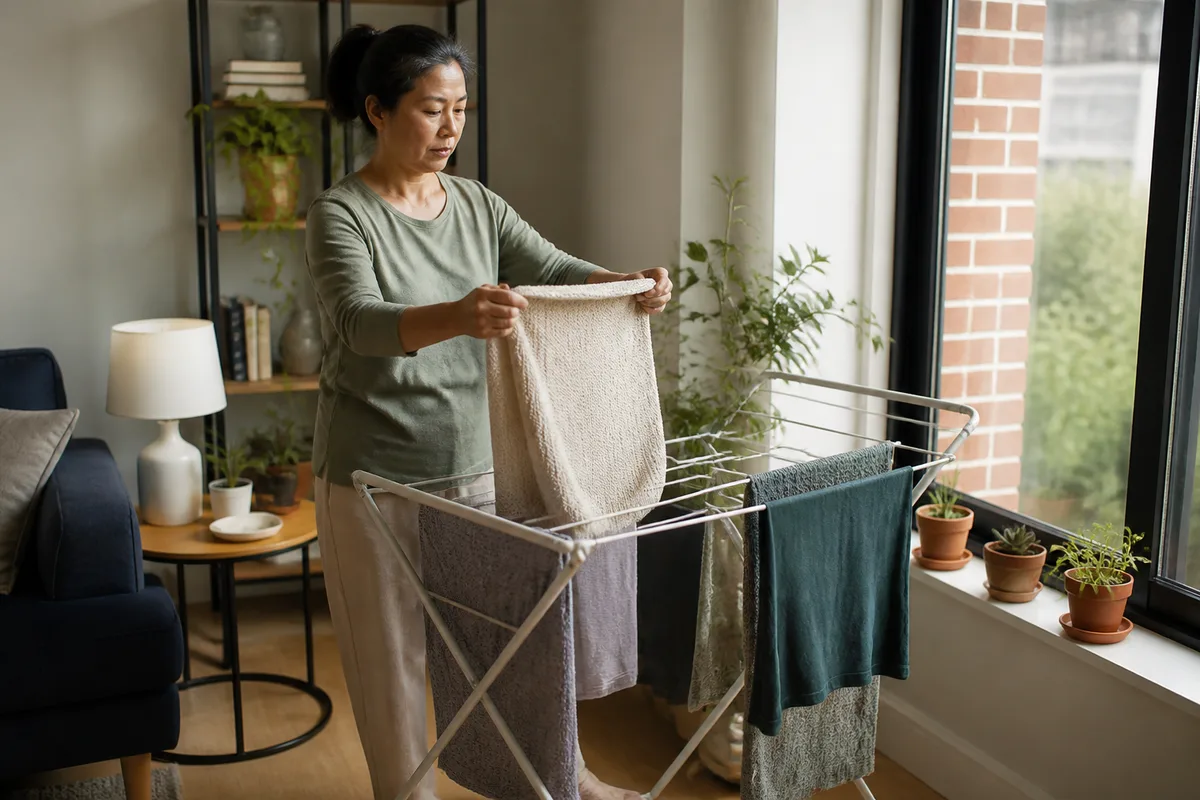
Dry knits, workout gear, and delicates without surrendering the living room.

A better hamper makes sorting visible without making the room feel like a utility closet.

One tool rarely treats tile, sealed wood, and entryway grime exactly the same.

Prioritize pickup habits, brush maintenance, and storage—not flashy accessory counts.

Improve taste and convenience without plumbing changes or permanent hardware.

Look for replaceable, stackable pieces that make an ordinary table feel intentional.

Start with three useful blades and spend the rest on keeping them sharp.

A small set can cover prep, serving, proofing, and storage without multiplying clutter.

Match capacity and controls to real portions instead of countertop ambition.

The right drying setup can return a surprising amount of usable worktop.

A realistic container system that keeps lids findable and lunches visible.

Choose a board by cleanup, counter space, and the food you actually prep.

How to improve your first cup without waking the rest of the house.

A compact, capable pan collection for cooks who have one cabinet—not a showroom.